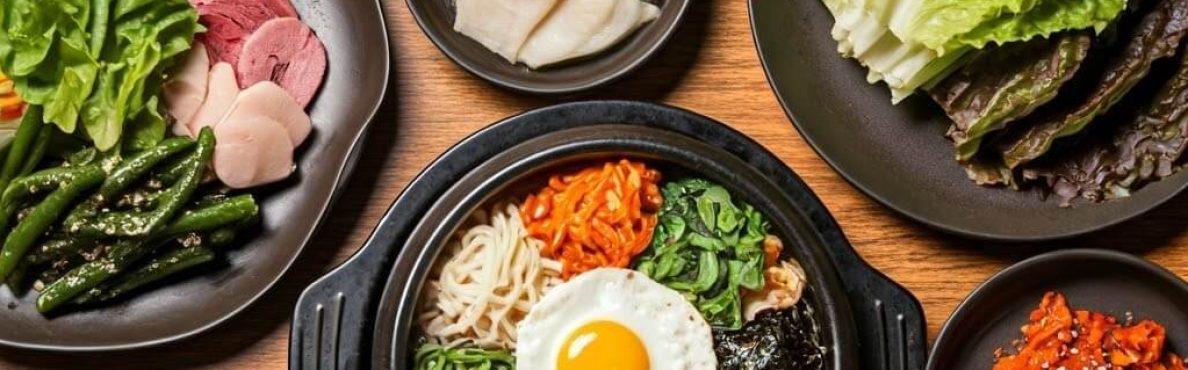
Have you ever watched a mouthwatering Korean cooking video and got totally hooked? Then you got a bit confused halfway through. They started talking about something called “gochugaru” that you’d never heard of before.
Or perhaps you’ve been in the international aisle of your grocery store, staring at five different bottles of soy sauce, wondering which one will give your bulgogi that authentic taste?
Don’t worry, my fellow food adventurers! Your Korean culinary journey starts here, and we’re excited to join you on this delicious adventure!
Why Stock a Korean Pantry?
Before we get to the shopping list, I’ve got a little secret to share with you. When you’ve got the right ingredients, it’s like you’ve got the keys to the whole Korean cuisine kingdom!
Once you’ve got these flavour foundations, you’ll be amazed at how many dishes suddenly become accessible with just a few fresh additions!
Just think, for about the price of two takeaway meals, you can stock up on ingredients that will keep for months and create dozens of delicious homemade Korean meals. I really believe that this is a great investment in yourself and your family’s health! Ah, If you’re curious about A Pinch of Korea, you can also check it out Welcome to A Pinch of Korea!!
💡if you need to search for something, just hit the Ctrl + F button and Search for it.
The Essential 15: Your Korean Pantry Starter Kit
1. Ganjang (간장) – Korean Soy Sauce
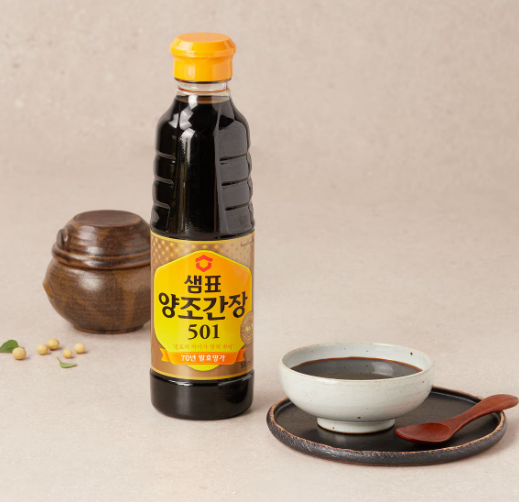
When I first moved to Australia in 2018, I lived in a very small share house. I was so excited to make my favourite Korean food for my friends!
In the Asian food section, I picked up what looked like soy sauce (the label said “soy sauce”, so it must be right, right?), rush home, and excitedly follow a Bulgogi recipe to the letter. One bite, and… something is seriously off.
The flavor profile was completely wrong – too sweet, too dark, simply not what I remembered.
I had no idea when I started out, but I’m super excited to share with you now that not all soy sauces are the same! Korean soy sauce is actually quite different from Chinese or Japanese soy sauce because of the way it’s fermented and the flavour it has.
There are two types of Korean soy sauce:
- Yangjo ganjang (양조간장) – This is the all-purpose soy sauce used in most Korean cooking. It’s more delicate than Chinese soy sauce and less sweet than Japanese varieties. This should be your go-to for most recipes.
- Guk ganjang (국간장) – Sometimes called “soup soy sauce,” this is darker, saltier, and has a more pronounced fermented flavor. It’s primarily used in soups, stews, and as a dipping sauce.
❓Where to buy: Asian supermarkets, Korean grocery stores, or online retailers like Amazon or You can find them in Waitrose, Tesco, Lidl, Asda and lots of other places too. Look for brands like Sempio, Sampyo, or Chung Jung One.
💡Substitutes: In a pinch, Japanese “koikuchi” soy sauce can work as a substitute for yangjo ganjang, though the flavor won’t be identical. For guk ganjang, you can approximate the flavor by mixing regular soy sauce with a bit of fish sauce.
🧺Storage: Keep sealed in its original bottle at room temperature, away from direct sunlight. It will maintain quality for about 1-2 years.
🥄Common uses: Bulgogi, japchae, bibimbap, most marinades, and dipping sauces.
2. Gochujang (고추장) – Korean Red Pepper Paste
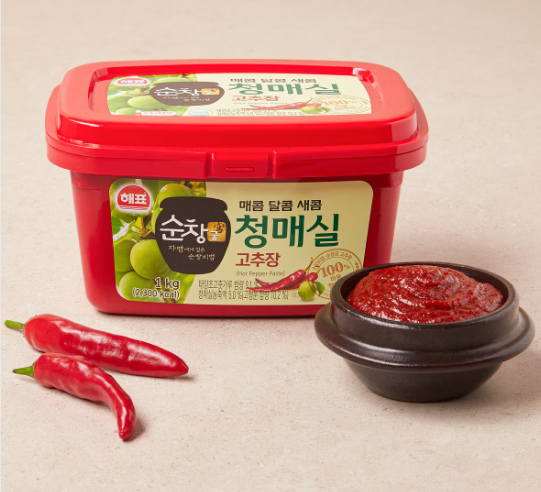
Gochujang is the magical paste that brings that signature sweet-spicy-umami flavor to so many beloved Korean dishes.
This thick, sticky, brick-red paste is made from fermented soybeans, glutinous rice, salt, and—most importantly—Korean red chili powder.
The first time I opened a tub of gochujang, the complex aroma took me by surprise. It wasn’t just spicy; there was a deep sweetness and fermented complexity that no hot sauce I’d ever tried could match.
That’s because gochujang isn’t just a heat source—it’s a flavor bomb that’s been developing its character through fermentation.
❓Where to buy: Most major supermarkets now carry gochujang in their international aisles. Korean markets will offer more brands and varieties. Online, look for brands like Chung Jung One, Sempio, or Mother-in-Law’s.
💡Substitutes: There’s honestly no perfect substitute, but in extreme emergencies, you can mix miso paste with a bit of cayenne pepper and a touch of honey or sugar. The result won’t be authentic, but it’ll give you something to work with until you can get the real thing.
🧺Storage: Keep refrigerated after opening. It will last up to a year (or even longer) when properly stored.
🥄Common uses: Bibimbap, tteokbokki, Korean fried chicken, stews, and marinades.
3. Doenjang (된장) – Korean Soybean Paste
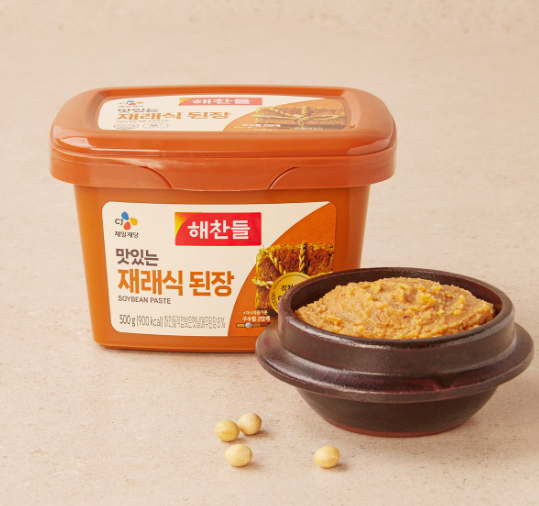
If gochujang is the lively, outgoing friend of Korean pastes, doenjang is the wise, thoughtful older sibling who has a lot of depth.
This fermented soybean paste looks a bit like Japanese miso, but don’t be fooled—doenjang has its own distinct personality with a stronger, more pungent flavor profile.
My first encounter with doenjang was in a traditional stew (doenjang jjigae) at my Korean friend’s house.
The kitchen was filled with this rich, earthy aroma, and I remember thinking it smelled so powerful!(Not to lie, it did have a bit of a musty, old smell to it.)
But when it was blended with the other ingredients in the stew – veg, tofu and all – it became this amazingly rich and savoury base that I just couldn’t get enough of!
❓Where to buy: Korean markets, Asian supermarkets, or online. Look for brands like Sempio, CJ Haechandle, or Jongga.
💡Substitutes: While not ideal, Japanese miso (particularly red or barley miso) can work as a substitute in a pinch, though you’ll need to use a bit less as doenjang is typically stronger in flavor.
🧺Storage: Keep refrigerated after opening. It will last 6-12 months.
🥄Common uses: Doenjang jjigae (soybean paste stew), namul (vegetable side dishes), dipping sauces, and marinades.
4. Gochugaru (고춧가루) – Korean Red Pepper Flakes
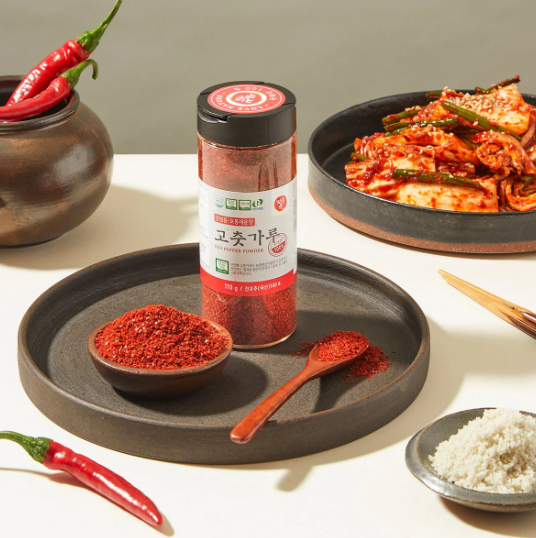
Don’t let the name “flakes” fool you—gochugaru has a texture somewhere between flakes and powder, making it perfect for dispersing through dishes evenly.
Unlike many Western red pepper flakes, gochugaru offers a complex sweet-hot flavor profile without overwhelming smokiness.
The signature vibrant red color of kimchi? That’s gochugaru working its magic!
But beyond color, it brings a unique flavor that’s simultaneously fruity, spicy, and slightly sweet.
My pantry always has at least two varieties of gochugaru because, like many Korean ingredients, there’s not just one type! The first time I hosted a kimchi-making party, a friend brought over “maewoon” (super-spicy) gochugaru when I had specifically asked for the milder version.
Our kimchi ended up so fiery that my American friends were sweating through their shirts! Lesson learned: know your gochugaru varieties.
Korean gochugaru comes in several varieties based on heat level and preparation method:
- Deolmaewoon (덜매운) – This “less spicy” or “colorful” variety is prized more for its vibrant red color than heat. Perfect for kimchi meant for children or those with lower spice tolerance.
- Maewoon (매운) – The standard “spicy” version used in most Korean cooking and traditional kimchi recipes.
- Cheongyang (청양) – Named after the famously hot Cheongyang peppers, this is the extra-spicy variety that serious heat lovers seek out.
- Taeyangcho (태양초) – “Sun-dried” premium gochugaru made from peppers dried naturally in the sun rather than mechanically. This traditional method produces a more complex flavor profile and is often preferred for special occasion cooking.
You’ll also find gochugaru in different grind sizes:
- Coarse/Flake (굵은 고춧가루) – Best for kimchi and marinades where texture matters
- Fine/Powder (고운 고춧가루) – Better for soups, stews, and sauces where smooth consistency is desired
❓Where to buy: Korean markets, many Asian supermarkets, or online retailers. Look for packages labeled “coarse” for kimchi-making and “fine” for general cooking.
💡Substitutes: There’s no perfect substitute, but depending on the dish, you might use a mix of sweet paprika and cayenne pepper at a 3:1 ratio for a rough approximation.
🧺Storage: Store in an airtight container in a cool, dark place, or for longer shelf life, keep it in the freezer where it will maintain its vibrant color and flavor for up to a year.
🥄Common uses: Kimchi, various banchan (side dishes), soups, stews, and marinades.
5. Chamgireum (참기름) – Toasted Sesame Oil

I absolutely ADORE SESAME OIL – that beautiful, aromatic finishing touch that makes you close your eyes and say “mmmmm” after that first sniff. But not just any sesame oil will do for Korean cooking.
We’re talking specifically about dark, toasted sesame oil, which has a much more intense nutty aroma than the lighter varieties used in some other cuisines.
I’ll always remember the first time I properly used sesame oil in bibimbap.
I had been using it like olive oil (a rookie mistake, as it turned out!), using it for cooking rather than just for finishing. But when I finally learned to drizzle just a teaspoon of this liquid gold over the finished dish, the entire flavor profile transformed before my eyes. Less is definitely more with this powerful ingredient!
I’ve got a little secret to share with you: when you’re enjoying some delicious pork belly, why not jazz it up a bit by making a tasty little sauce? Just mix together a pinch of salt, a twist of pepper, and a dash of sesame oil, and you’ve got a perfect accompaniment. It’s a pretty basic barbecue sauce in Korea, but all my foreign friends love it.
❓Where to buy: Available in most supermarkets now, though Asian markets tend to carry higher quality options and better prices. Ottogi and Cheongjeongwon are good brands.
💡Substitutes: There’s really no substitute that can match its distinct flavor, though toasted walnut oil might provide a similar nutty finish if you’re in desperate need.
🧺Storage: Keep in a cool, dark place. While it doesn’t need refrigeration, keeping it in the fridge can extend its shelf life to up to a year.
🥄Common uses: Finishing oil for bibimbap, japchae, namul, GimBap and many other dishes. Use sparingly!
6. Maesil Cheong (매실청) – Green Plum Syrup

This sweet, tangy syrup made from green plums (also called Japanese apricots or ume plums) might be less well-known to beginners, but it’s a secret weapon in Korean kitchens.
Think of it as nature’s sweet and sour sauce with beneficial digestive properties to boot!
When I first discovered this golden elixir, I was skeptical about its many purported uses. But after using it to tenderize meat, balance spicy dishes, and create refreshing summer drinks, I became a true believer.
A spoonful mixed into sparkling water (or Soju…) makes the most refreshing summer drink you can imagine!
❓Where to buy: Korean markets or online retailers specializing in Korean foods. Look for brands like CJ, Ottogi.
💡Substitutes: A mixture of honey and lemon juice (2:1 ratio) can provide a similar sweet-tart profile, though without the unique plum flavor.
🧺Storage: Keep refrigerated after opening. Will last up to a year or longer.
🥄Common uses: Marinades (especially for galbi), dipping sauces, as a sweetener for teas and drinks, and as a digestive aid diluted in water.
7. Mirim or Mirin (미림) – Sweet Rice Wine
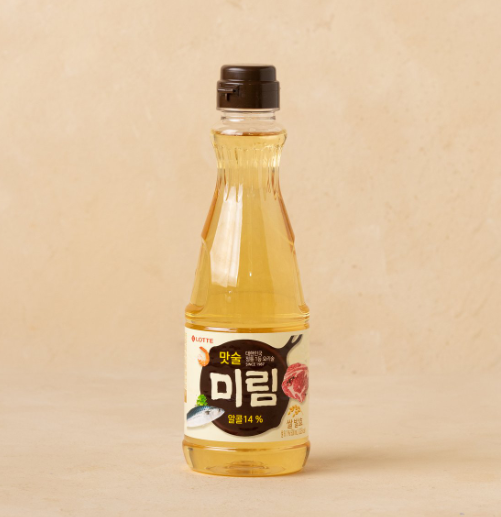
This sweet cooking wine adds a gentle sweetness and depth to marinades and sauces.
While originally a Japanese ingredient, it’s become thoroughly integrated into Korean cooking, especially for meat marinades where it helps to tenderize while adding subtle sweetness.
I remember the difference it made the first time I added mirim to my bulgogi marinade—the meat caramelized beautifully on the grill, and the flavor had a roundness that had been missing in my previous attempts.
Also, if you use mirin to braise fish, it will remove the fishy flavour.
❓Where to buy: Most Asian markets and many mainstream grocery stores in the international aisle. Brands like Kikkoman and Chung Jung One are widely available.
💡Substitutes: Mix 1 tablespoon rice vinegar or dry white wine with 2 teaspoons sugar for every tablespoon of mirim needed.
🧺Storage: Once opened, store in a cool, dark pantry for up to 3 months, or refrigerate for longer storage.
🥄Common uses: Meat marinades (bulgogi, galbi), stir-fries, and sauces.
8. Dashi Packets – Instant Soup Stock

While traditionally made from scratch with dried kelp (dasima/kombu) and dried anchovies (myeolchi), modern Korean cooking often employs convenient dashi packets that deliver umami depth in seconds.
I was initially hesitant to use these “instant” versions, clinging to the idea that making stock from scratch was the only authentic way.
But after a Korean friend showed me that her grandmother used the packets too, I embraced this time-saving option for weeknight cooking!
❓Where to buy: Korean and Japanese markets, as well as online. CJ, Dasida are common brands.
💡Substitutes: For a quick homemade version, soak dried kelp in water for 30 minutes, then simmer with dried anchovies for 10 minutes and strain.
🧺Storage: Keep in a cool, dry place in an airtight container. Will last up to a year.
🥄Common uses: The flavor foundation for soups, stews, and various broth-based dishes.
9. Perilla Oil (들기름 – Deulgirum)
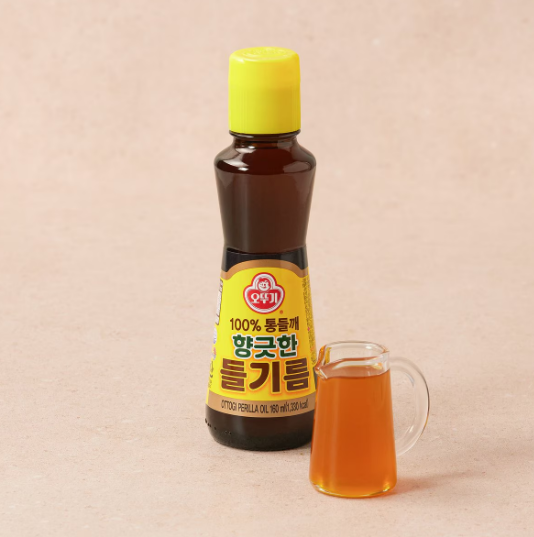
Less known to Western cooks but prized in Korean cuisine, perilla oil has a distinctive nutty, slightly grassy flavor that’s reminiscent of sesame oil but with its own unique character.
Made from roasted perilla seeds (also known as wild sesame or Japanese mint seeds), this oil is both flavorful and nutritious.
My first experience with perilla oil was in a simple spinach namul that tasted noticeably different from versions I’d had before. That distinctive nutty finish kept me coming back for more!
❓Where to buy: Korean markets or specialty online retailers. Look for cold-pressed versions for the best flavor.
💡Substitutes: Toasted sesame oil is the closest substitute, though it lacks perilla’s unique grassy notes.
🧺Storage: Like sesame oil, store in a cool, dark place or refrigerate to extend shelf life.
🥄Common uses: Namul (vegetable side dishes), bibimbap, and cold noodle dishes.
10. Sesame Seeds (깨 – Kkae)
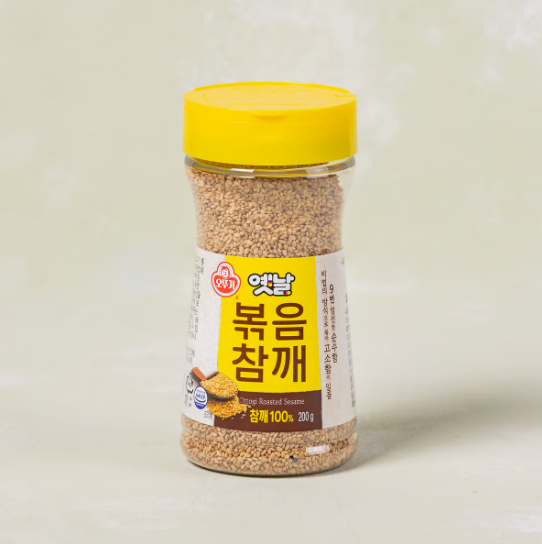
These tiny white seeds pack a surprising flavor punch when toasted, adding nutty flavor and delightful texture to countless Korean dishes.
While they might seem like just a garnish, don’t underestimate their contribution to the overall flavor profile!
I’ve found that toasting them yourself in a dry pan until golden and fragrant makes a world of difference compared to using them straight from the package.
That extra 2-minute step transforms them from ordinary to extraordinary.
Where to buy: Widely available in most grocery stores, though Korean and Asian markets often offer better prices for larger quantities.
Substitutes: There’s no real substitute for the texture and flavor, though in extreme circumstances, finely chopped nuts might provide a similar textural element.
Storage: Store in an airtight container in the refrigerator or freezer to prevent them from going rancid.
Common uses: Garnishing bibimbap, japchae, namul, and many other dishes.
11. Dried Seaweed Sheets (김 – Gim/Kim)
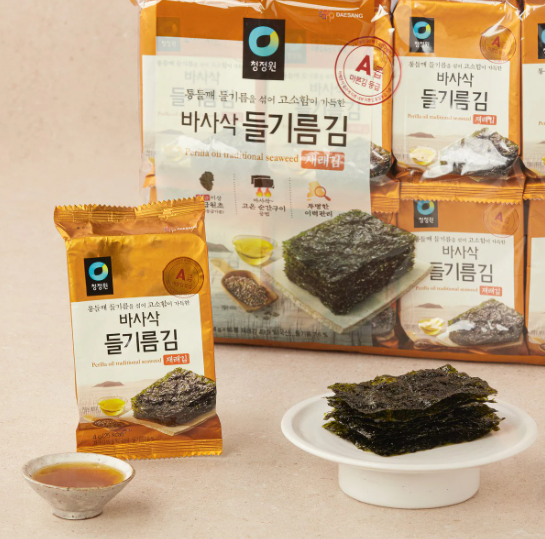
These paper-thin, roasted seaweed sheets are familiar to many as the wrapping for sushi rolls, but in Korean cuisine, they play many different roles.
From being crumbled as a garnish to serving as the crispy wrapping for kimbap (Korean rice rolls), gim is a pantry must-have.
I always keep a package of the small, pre-roasted sheets for emergency snacking.
Confession time: sometimes I sandwich a little rice and kimchi between two sheets for an impromptu, two-bite “sandwich” when cooking strikes me as too much work!
❓Where to buy: Most supermarkets now carry roasted seaweed snacks. For larger sheets used in cooking, visit Korean markets or Asian supermarkets.
💡Substitutes: There’s no real substitute, though other sea vegetables can sometimes fill in for specific uses.
🧺Storage: Keep in an airtight container in a dry place. Once opened, they absorb moisture quickly and lose crispness, so use promptly.
🥄Common uses: Gimbap, Fried rice as a garnish, or as a quick snack on its own.
12. Tteok (떡) – Korean Rice Cakes
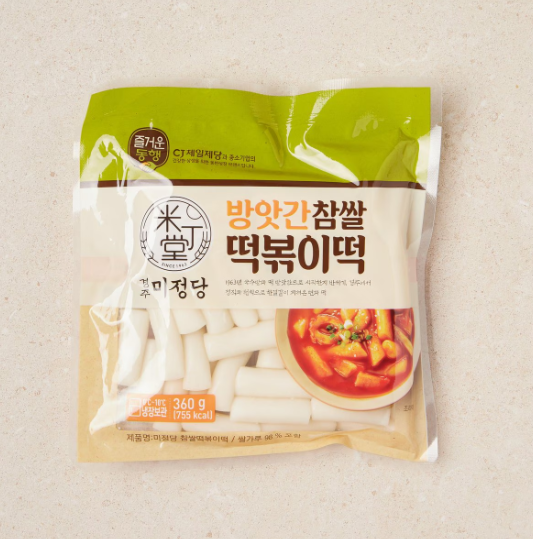
These chewy rice cakes are found in many forms in Korean cuisine, but the most common pantry staple is the cylindrical variety used in tteokbokki.
Made from glutinous rice flour (despite the name, they’re gluten-free!), they have an irresistible chewy texture that’s unlike anything else.
I’ve loved rice cakes ever since I was a kid, and I’ve tried them in everything from rice cake skewers to ramen noodles to wrapping them in nori seaweed!
They’re my favourite snack and main dish (although the chewy texture might not be as familiar as you think if you’re new to them). I really believe that the texture journey is part of their charm!
❓Where to buy: Korean markets almost always carry them fresh in the refrigerated section and frozen in the freezer section. Some larger Asian supermarkets also stock them.
💡Substitutes: There’s really no substitute for their unique texture, though very thick rice noodles might work in some applications where the sauce is the star.
🧺Storage: Fresh tteok should be used within a few days or frozen for longer storage. Frozen tteok will keep for months.
🥄Common uses: Tteokbokki (spicy rice cakes), tteokguk (rice cake soup), and various stir-fries.
13. Buchimgaru (부침가루) – Korean Pancake Mix
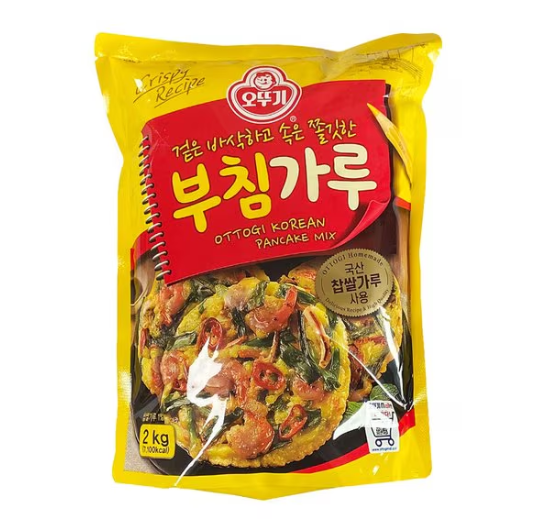
If you’ve ever wondered how Korean pancakes (jeon) get that perfect crispy exterior while staying tender inside, here’s their not-so-secret weapon: buchimgaru! This specialized flour mix takes the guesswork out of creating that ideal pancake texture that’s simultaneously light, crisp, and never doughy.
My buchimgaru enlightenment came during a rainy afternoon in Seoul when a friend’s grandmother whipped up the most perfect kimchi jeon I’d ever tasted.
When I asked for her secret recipe, she laughed and pointed to a package of buchimgaru. “Why make it complicated?” she said with a wink. That moment taught me an important lesson about Korean home cooking—sometimes the convenient option is actually the authentic one!
Unlike regular flour, buchimgaru typically contains a mixture of wheat flour, rice flour, cornstarch, and leavening agents in the perfect ratio. This combination is what gives Korean pancakes their distinctive texture that’s nearly impossible to achieve with plain flour alone.
I’ve noticed some Korean home cooks have a slight “guilt” about using pre-made mixes (sound familiar to anyone else?), but the truth is, buchimgaru is a staple in most Korean kitchens, even for accomplished cooks who could certainly make their own mix if they wanted to!
❓Where to buy: Korean markets, some Asian supermarkets, or online retailers. Popular brands include Beksul, CJ, and Ottogi.
💡Substitutes: In a pinch, you can make your own by combining 1 cup all-purpose flour, 1/3 cup cornstarch, 2 tablespoons rice flour, 1 teaspoon salt, and 1/2 teaspoon baking powder. The texture won’t be quite as perfect, but it’ll get you close!
🧺Storage: Keep in an airtight container in a cool, dry place. Will last up to a year, though pay attention to the expiration date on the package.
🥄Common uses: Kimchi jeon (kimchi pancakes), haemul pajeon (seafood green onion pancakes), bindaetteok (mung bean pancakes), and various other savory Korean pancakes.
14. Jeotgal (젓갈) – Korean Fermented Seafood
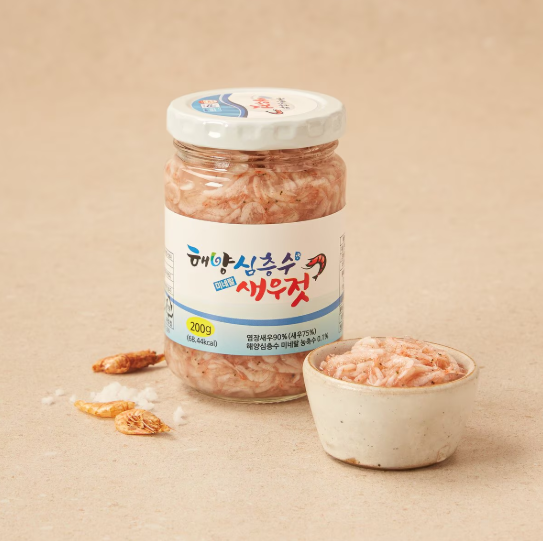
Talk about intimidating ingredients for beginners! Jeotgal might be the final boss of Korean pantry items, but it’s the secret weapon that gives many traditional dishes their deep, complex umami foundation.
I’ll never forget my british husband’s face when she caught me adding shrimp jeotgal to kimchi paste.
“You’re putting WHAT in there?!” The concept of fermented seafood was completely foreign to her, and honestly, the pungent aroma wasn’t making a great first impression.
But after tasting the finished gimchijjigae(kimchi stew), I clearly understood what Jeotgal was.
While there are dozens of varieties made from different seafood, the most common pantry staples are:
- Saewoojeot (새우젓) – Fermented shrimp, essential for traditional kimchi recipes
- Myeolchijeot (멸치젓) – Fermented anchovies, common in stews and side dishes
- Eoriguljeot (어리굴젓) – Fermented oysters, considered a delicacy
❓Where to buy: Korean markets or well-stocked Asian supermarkets in the refrigerated section.
💡Substitutes: Fish sauce can sometimes work as a substitute for the liquid from jeotgal, though it lacks the texture and complexity.
🧺Storage: Must be refrigerated! Will keep for 6-12 months when properly stored.
🥄Common uses: Traditional kimchi recipes, stews, dipping sauces, and as a condiment with rice.
15. Dangmyeon (당면) – Sweet Potato Glass Noodles
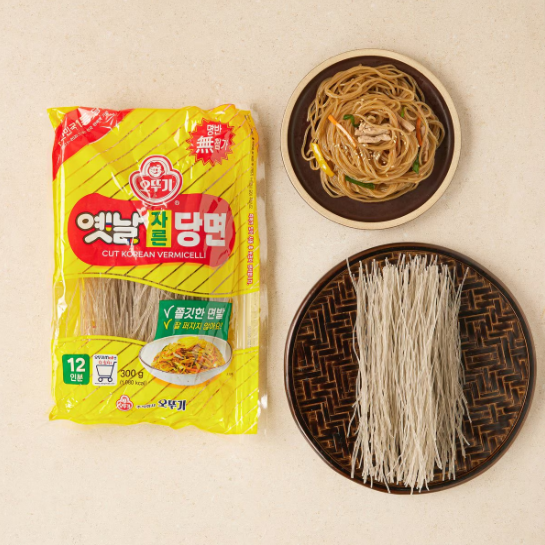
These translucent, chewy noodles might not seem like a pantry essential until the first time you crave japchae and realize they’re absolutely irreplaceable!
Made from sweet potato starch, dangmyeon has a uniquely bouncy, slightly slippery texture that soaks up flavors beautifully while maintaining its distinctive chew.
I keep these on hand at all times because they’re my go-to for last-minute dinner parties.
There’s something about placing a gleaming mound of japchae on the table that makes everyone think you’ve spent hours in the kitchen, when in reality, these quick-cooking noodles make it one of the fastest special-occasion dishes in the Korean repertoire!
When I first started cooking with dangmyeon, I made the rookie mistake of not cutting the super-long strands after cooking. Let me tell you, there’s nothing quite as awkward as watching your dinner guests struggle with endlessly long noodles that seem to multiply with each bite! A quick snip with kitchen scissors transforms this potentially messy dish into an elegant crowd-pleaser.
❓Where to buy: Korean markets, many Asian supermarkets, and increasingly in international aisles of regular grocery stores. Look for brands like Chung Jung One or Ottogi.
💡Substitutes: There’s truly no perfect substitute for the unique texture, though cellophane noodles (made from mung bean starch) come closest in appearance but lack the signature chew.
🧺Storage: Store in a cool, dry place in their original packaging or an airtight container. They’ll keep indefinitely when properly stored.
🥄Common uses: Japchae (stir-fried glass noodles), in various soups, and cold noodle dishes.

Building Your Korean Pantry: A Strategy
Now that you know the essentials, here’s a budget-friendly approach to building your Korean pantry:
- Start with the Core Five: If you’re on a budget, begin with ganjang (soy sauce), gochujang, sesame oil, gochugaru, and sesame seeds. These five ingredients will get you cooking right away.
- Add as You Go: Rather than buying everything at once, add ingredients as specific recipes require them.
- Check International Aisles: Many mainstream supermarkets now carry Korean ingredients at reasonable prices.
- Go Online: Websites like H-Mart online, or even Amazon have good selections of Korean ingredients.
- Split with Friends: Consider splitting larger packages with friends who are also interested in Korean cooking.
Final Thoughts: The Soul of Korean Cooking
As you stock your pantry with these foundational ingredients, remember that Korean cooking is about more than just following recipes—it’s about understanding the balance of flavors that make each dish sing.
The five fundamental flavors in Korean cuisine—sweet, sour, salty, bitter, and spicy—dance together in a beautiful harmony that, once you understand it, will allow you to create authentic Korean dishes even without a recipe in front of you.
So go ahead, fill your pantry with these Korean essentials, and let the culinary adventure begin! Your taste buds (and impressed dinner guests) will thank you.
Have questions about finding these ingredients or how to use them? Drop a comment below or reach out on Instagram @A_Pinch_Of_Korea. I’d love to help you on your Korean cooking journey!
This guide is regularly updated to reflect availability of ingredients in markets worldwide. Last updated: April 2025
 A Pinch of Korea