I totally get it. You’ve already tried Korean BBQ, right? Oh, I totally get it! I know you’ve been binge-watching “Crash Landing on You”. And maybe you even have a BTS mug? But have you met Korea’s best-kept secret in a bottle yet?
I’d like to introduce you to makgeolli (막걸리)! You’re going to love this rice wine, it’s full of flavour and character! Get ready to fall head over heels in love with its fizzy, funky, and creamy taste that’s just waiting to become your new favourite drink. It’s got a low alcohol content, a big personality, and it goes brilliantly with your Friday night takeaway.
This centuries-old beverage is starting to catch the eye of curious drinkers, wellness warriors, and foodies far beyond Korea.
Hey, let’s have a little chat about why makgeolli is so much more than just a drink — it’s an experience! So, grab your favourite mug (or bowl) and let’s dive in!
What Is Makgeolli?
Pronounced mahk-guh-lee, this traditional Korean drink is made from just three humble ingredients: rice, water, and nuruk (a wild fermentation starter that sounds mysterious but works magic).
The result? A cloudy, slightly fizzy, mildly sweet rice wine that sits somewhere between kombucha, a craft cider, and a yoghurt smoothie that decided to go to a party.
But here’s where it gets fun — makgeolli has a cheeky reputation in Korea, and not just for its taste.
Older Koreans have this really lovely way of describing it – they call it a “sit-down drink”, or “앉은뱅이 술” in Korean. Why? Once you start, it’s hard to stop. I know it might not sound like it, but it’s not because it’s strong. In fact, it’s usually only 6-8% ABV.
What makes it so smooth, easy and dangerously drinkable is that you end up sipping it like juice. Before you know it, you’ve had five bowls and your legs have turned to noodles!
And yes, I learned this the hard way.
Flashback to my uni days in Korea: I was a bright-eyed freshman, lured into a “makgeolli unlimited refill” spot near campus. I thought I was being responsible — just slowly sipping, one ceramic bowl at a time. No shots, no cocktails, no worries, right?
Wrong.
It was the first time in my life I drank so much that I actually forgot how I got home. One minute I was discussing philosophy with a classmate over kimchi pancakes, the next — total blackout. Makgeolli: 1, Me: 0.
So yes, it’s low in alcohol. But don’t let the milky innocence fool you — makgeolli is stealthy. And that’s part of its charm.
Traditionally, it was the drink of Korean farmers — refreshing, nourishing, and dirt cheap. Nowadays, it’s making a comeback with sleek bottles, craft versions, and modern flavours like peach, chestnut, or even matcha. It’s going from countryside classic to hipster bar essential, and honestly, it deserves the glow-up.
Types of Makgeolli & Popular Brands You Should Know🍶
Makgeolli isn’t just one drink — it’s a whole genre of Korean rice wine, with a surprising variety that’s just waiting to be discovered. Whatever kind of mood you’re in, and whatever your taste, there’s a makgeolli to suit you! Here’s a handy little guide to help you out
1. Original
Taste: Mildly sweet, creamy, slightly tangy with a fizzy kick.
This is the standard, unflavoured makgeolli you’ll find at Korean BBQ joints or local markets. It’s made from rice, nuruk (fermentation starter), and water. Think of it as the “pint of lager” in the makgeolli world — reliable, easy-going, and perfect with spicy fried food.

📦 Brand to Try:
- Jipyeong Makgeolli (지평막걸리) – Light, smooth, not too sweet. A safe and very drinkable option.
- Kooksoondang (국순당) – The true everyman’s makgeolli. Widely available, affordable, and consistent. If you’ve had a sip of makgeolli outside Korea, chances are it was this one. They even make convenient can versions for modern sipping-on-the-go.
- Boksoondoga (복순도가) – Small-batch, naturally carbonated, premium feel. If makgeolli were champagne, this would be it. Slightly pricier, but worth it.
2. Flavoured Makgeolli (Fruit, but make it boozy)
Taste: Like an adult smoothie that forgot it has alcohol.
From peach to banana, chestnut to blueberry — Korea’s makgeolli makers have gotten creative. These are sweeter, less intense, and great for newbies or cocktail-style sipping.
🍓 Popular Flavours:
- Peach (복숭아)
- Banana (바나나)
- Chestnut (밤)
- Black raspberry / bokbunja (복분자)

📦 Brand to Try:
- Kooksoondang Fruit Makgeolli – Aside from fresh makgeolli, you can also find a variety of fruit flavors.
- Baesangmyun Brewery’s flavoured line-up – Trendy and Instagrammable, often seen in cafes or makgeolli bars.
3. Sparkling Makgeolli (The Party Animal)
Taste: Fizzy, lively, slightly dry — think prosecco with a rice twist.
These come with a natural carbonation that makes the drink pop (literally — always open slowly!). Perfect for a Friday night with fried chicken or a cheeky fusion dinner.

📦 Brand to Try:
- Boksoondoga Sparkling – All-natural bubbles. Slightly tangy and oh-so elegant.
- White Lotus Sparkling Makgeolli – A modern twist from younger breweries focused on export markets.
4. Artisan or Premium Makgeolli (For the Rice Wine Snob in You)
Taste: Richer, more complex, often less sweet.
Craft makgeolli is on the rise. These are made in small batches, often unpasteurised, and have deeper flavour profiles — closer to natural wine than alcopop. They may look humble, but they sip like fine drinks.
📦 Brand to Try:
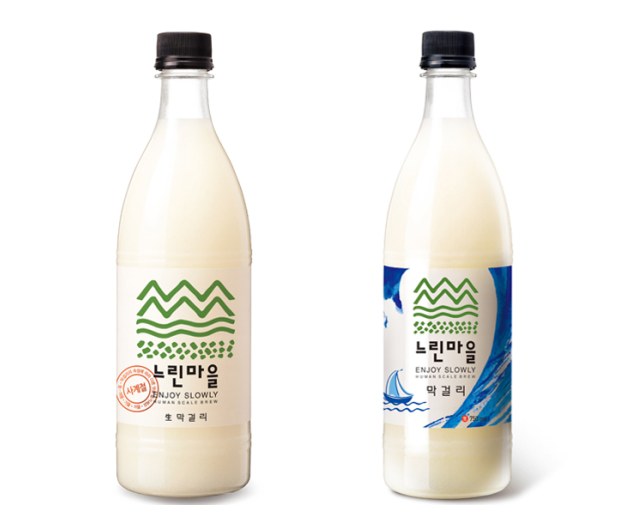
- Neurin Maeul (느린마을) – Deep, rich, with complex rice flavour. Often served at upscale Korean restaurants.
- Midam (미담) – Low sugar, no preservatives, and a firm favourite among makgeolli purists.
🥂 Which One Should You Try First?
If you’re new to makgeolli:
👉 Start with Jipyeong or a flavoured version like peach or banana.
If you want to impress your wine-loving friends:
👉 Go for Boksoondoga or Neurin Maeul and serve it in a bowl. Yes, a bowl.
If you’re the adventurous type:
👉 Hunt down a sparkling artisan makgeolli and pair it with Korean fried chicken or even a salty British cheese board.
Makgeolli is having its moment right now, and just like Korean dramas, once you start, you’ll wonder how you ever lived without it.
If you need a hand finding these in the UK or learning how to pair them with your local favourites like chips, pies or even tikka masala, I’m here to help! Hey, don’t hesitate to let me know, and I’ll be happy to sort you out with a deliciously British guide next!
Why are you Starting to drinking makgeolli
Let’s face it — the UK booze scene is changing.
Remember those days when Friday night drinks were all about lagers or G&Ts? Our British friends are becoming more and more adventurous, and I think it’s really wonderful to see! A bit adventurous, but in a good way!
We’re not just sipping what’s on tap anymore — we’re exploring the world, one bottle at a time! It’s so lovely to see how our tastes are changing and growing. We’re starting to experiment with different types of alcohol, from Japanese sake to Mexican mezcal. And now?
I’m so excited to tell you about a new guest at the table: makgeolli, Korea’s creamy, slightly sparkling rice wine.

So, why makgeolli? Why now?
- It’s different – In a good way. It’s milky, lightly fizzy, a touch sweet, and surprisingly refreshing. Think kombucha’s funky cousin with a ricey backbone and a party soul.
- It’s low(ish) ABV – At 6–8%, it hits that sweet spot between “I’d like a buzz” and “I need to remember my postcode.”
- It’s trendy – Korean culture is everywhere. K-pop, K-dramas, Korean skincare — and now, K-drinks.
- It pairs beautifully with food – Especially bold, spicy, fried goodness. (More on this in the pairing section 👀)
- It feels like a secret – Your mate probably hasn’t heard of it yet. That means you get to be the cool one.
What the Trend Tells Us
- Search interest in makgeolli has increased by over 150% in the UK over the last three years (cheers, TikTok).
- Korean restaurants and Asian supermarkets are popping up in cities like London, Manchester, Birmingham — and many now stock makgeolli.
- Online retailers like Sous Chef, The Wasabi Company, and Amazon UK are now listing makgeolli, sometimes with flavour variants like peach, banana, or chestnut.
- Younger drinkers are increasingly favouring lower-alcohol, “natural” and “funky” drinks, and makgeolli fits the bill beautifully.
Makgeolli: A Perfect Storm of Culture + Curiosity
Makgeolli’s popularity in the UK is about more than just the taste — it’s about creating a really special experience. It’s all about the social side of things. It’s unfamiliar enough to be exciting, but friendly enough not to scare anyone off.
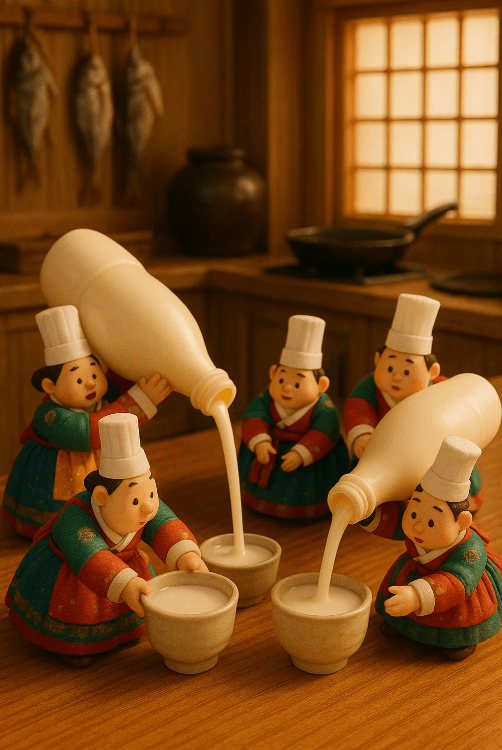
It comes with so many wonderful stories, traditions and rituals. Pouring it from a tin kettle. And they’re all happily drinking from bowls. And don’t worry about sharing – you can always share with your friends! I’m getting a little too excited over some delicious kimchi fries.
It’s not just Korean rice wine — it’s culture in a cup!
📍 Where to Buy Makgeolli in the UK
Online:
- Amazon UK – Hit or miss, but worth checking.
- H Mart UK – Best for Korean imports and sometimes chilled bottles.
In person (London):
- Korean supermarkets like Oseyo, Centre Point Food Store (Soju’s cousin lives here too).
- Some Korean BBQ spots let you buy bottles to take home.
Pro tip: Unpasteurised makgeolli tastes better, but needs refrigeration. Don’t let it hang out in your cupboard.
🧠Final Thoughts: The Rice Wine Revival?
So, is makgeolli really making a comeback? Let’s just say this milky marvel has gone from countryside staple to global trendsetter — and honestly, it’s about time. Whether you’re a fan of craft beer, natural wine, or just something that goes well with kimchi pancakes and karaoke, Korean rice wine is that underrated gem your fridge didn’t know it needed.
Here’s the beauty of makgeolli:
- It’s low in alcohol but rich in flavour.
- It’s affordable but full of history.
- It’s casual but unexpectedly complex.
- It’s great for sipping solo or passing around with mates.
Call it what you will — the “sit-down drink,” the “Korean kombucha,” or the “ricey fizzy stuff” — but once you’ve tried it, you get it. And you might just find yourself googling “makgeolli near me” faster than you can say Geonbae.
So cheers to fermented fun, to cross-cultural sips, and to embracing the weird and wonderful. This is more than a drink — it’s a whole vibe.
👉 Next step? Grab a bottle, chill it down, and try it with your next takeaway. (Bonus points if it’s spicy.)
So there you have it—makgeolli: Korea’s fizzy, funky, feel-good rice wine that somehow goes with everything. From crispy kimchi pancakes (seriously, the perfect anju for makgeolli) to street food strolls through Seoul (makgeolli and street food culture).
Next time you sip it, raise a glass to tradition, fermentation, and the unexpected joy of rice that got a little wild. 🍶 Cheers!
 A Pinch of Korea
One thought on “Makgeolli, What Is Makgeolli? Korean Rice Wine Guide”