So picture this: You’re at one of those Korean-Chinese spots where the waiter doesn’t even bother bringing menus anymore because EVERYONE orders either black bean noodles or spicy seafood soup.
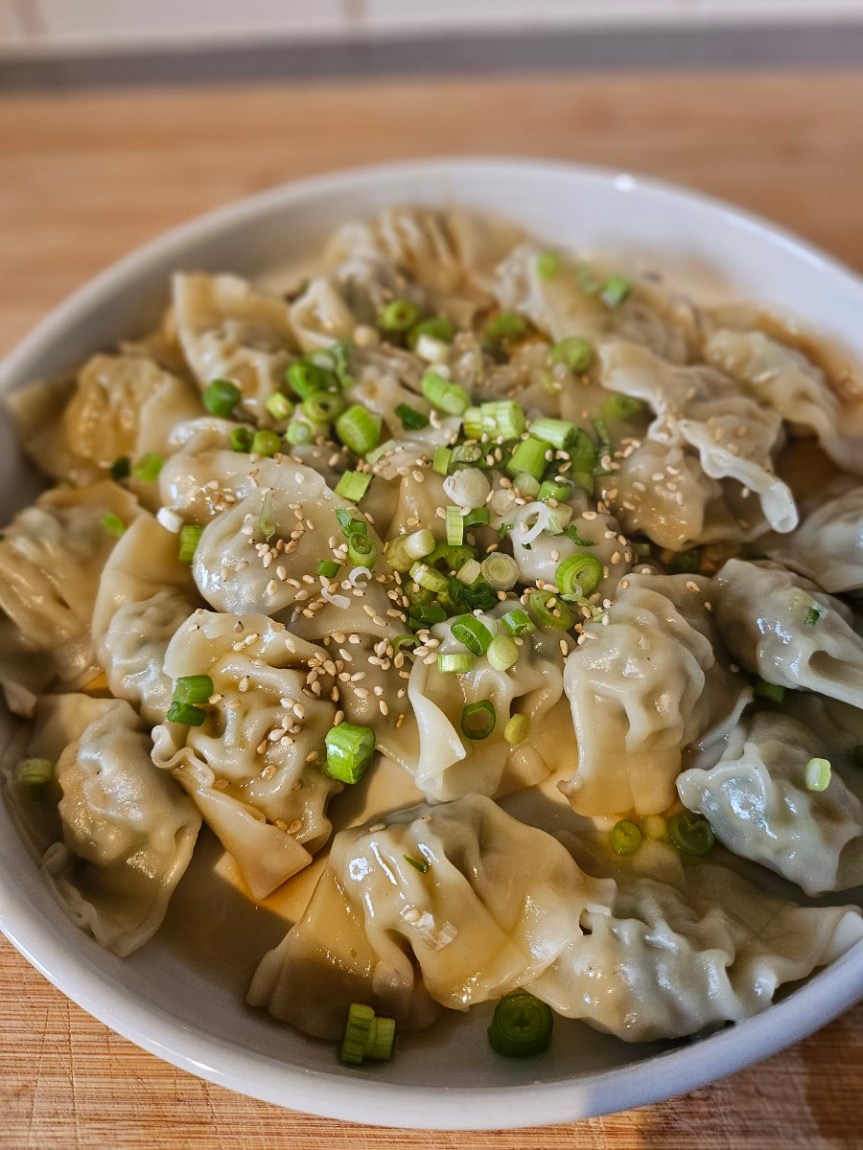
But the real MVPs? Those little bouncy dumplings(Mulmandu) that show up before you’ve even finished ordering. You know the ones – bite-sized, no fancy broth, just pure dumpling joy. I’ve literally burned my tongue countless times because I can’t wait for these little guys to cool down. Worth it every time though!
Look, I’m no food historian, but from what my grandma told me (while slapping my hand away from stealing dumplings before dinner), these are Korea’s take on Chinese sui jiao. Ours are less salty, softer, and we skip the broth situation.
My Chinese friend once tried mine and just raised an eyebrow—apparently that’s how you know you’ve successfully “Korean-ified” something.
🛒 Ingredients (for about 20 dumplings)
Main:
- 15–20 frozen pork or chicken dumplings (mini-sized preferred)
- 400ml water
- 1 tbsp sesame oil
- 1 chicken stock cube
Dipping Sauce:
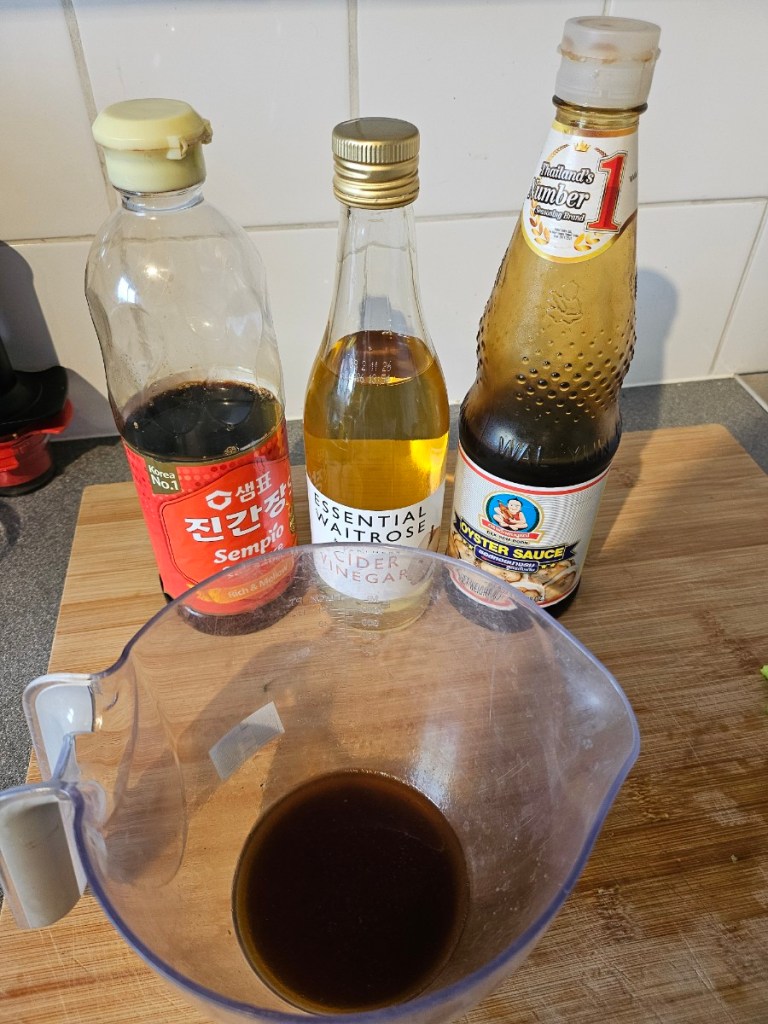
- 1 tbsp soy sauce
- 1 tbsp vinegar (apple cider or rice vinegar)
- 1 tsp oyster sauce (optional)
- 9 tbsp dumpling broth
Toppings (Optional but delicious):
- Sesame seeds
- Chopped green onion
- Dash of gochugaru (Korean red chili flakes)
Dumplings:
I use store-bought dumplings because, to be honest, I’m a bit lazy, but if you’d like to make your own, just let me know. I’d be happy to make them myself and post the recipe! (When I’m not feeling lazy, that is!)Oh! I usually buy mini dumplings, which I can eat in one bite.
👩🍳 How to Make It
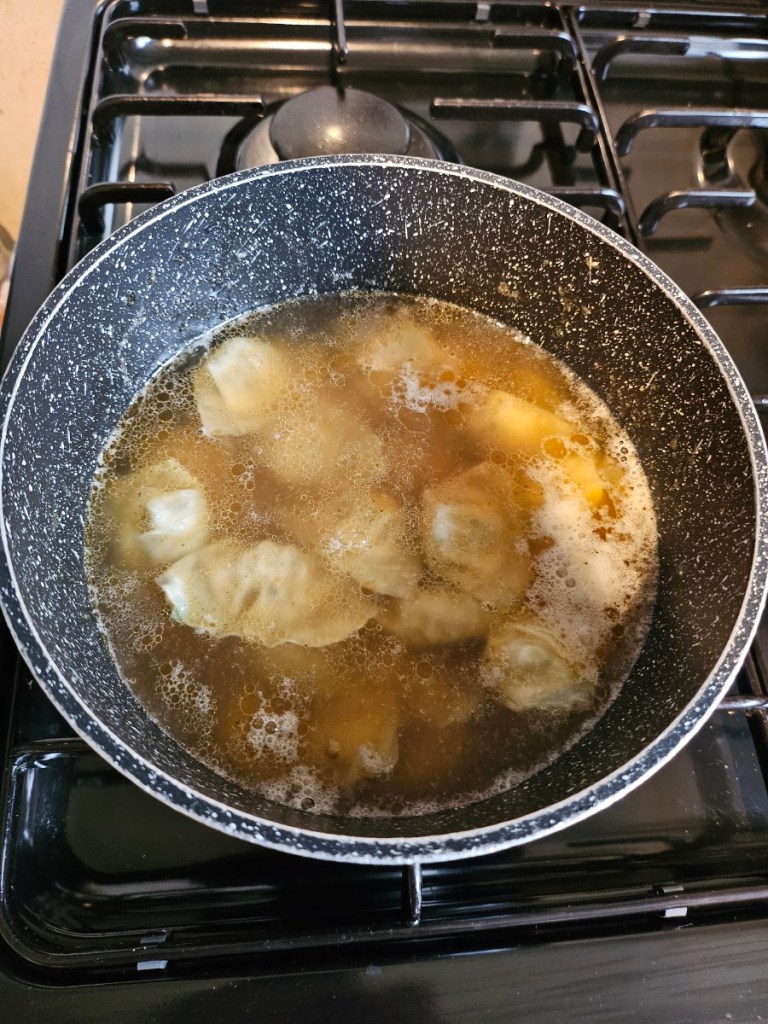
🧉Boil the broth: Grab whatever pot isn’t currently holding last week’s failed pasta experiment.
Fill it with enough water to drown the dumplings (roughly 400ml if you’re the measuring type—I just eyeball it and usually add too much).
Toss in a chicken stock cube and a glug of sesame oil. Wait for that rolling boil where it looks like a tiny hot tub party is happening.
🥟Cook dumplings: When the water starts to boil, add the dumplings and boil for 5 minutes. (No need to thaw them!)
🥣Mix in a sauce: In a new bowl or bowl, add 1 tablespoon of soy sauce, 1 tablespoon of vinegar (any vinegar will do, but I prefer apple cider vinegar), a little bit of oyster sauce, and 9 tablespoons of the broth the dumplings were boiling in.
Mix well and you’re done!

🍽️Prepare the plating: Use a colander to drain the water before the dumplings are overcooked and drown.
Place the dumplings in a large, round plate and sprinkle with the sauce to your liking.
Finally, top with sesame seeds, a tablespoon of sesame oil, and finely chopped spring onions, and you’re done!
Enjoy the Mulmandu with sauce with a spoon!🥄
💡Quick Tips & Variations
Serve these babies HOT. Like, “text your dinner guests to come to the table now” hot. They get weirdly chewy when cold.
Got leftovers? (Who am I kidding—that never happens at my place.) But IF you somehow show restraint, throw those bad boys in a pan with a bit of oil the next day. They crisp up into what my cousin calls “hangover heaven dumplings.” The Koreans have a fancy name for it Gunmandu(군만두)
📌 Why We Love This
It’s fast. It’s comforting. And it uses ingredients from any international aisle or your freezer. This is the kind of simple Korean food that feels like home, wherever you are.
📸 Don’t forget to share your dumpling moment! Tag Instagram @a_pinch_of_korea
🌍 Global Dumpling Culture – Korea’s Unique Take
Let’s be real—every culture figured out that stuffing good things inside dough pockets is genius. The Japanese have gyoza (which my Japanese neighbor swears are superior until he’s had three glasses of soju and suddenly loves my mandu). The Polish have pierogi (which, not gonna lie, I was hooked the first time I tried pierogi). But Korean dumplings can be enjoyed in many different ways:
- Mul Mandu (boiled)
- Gun Mandu (pan-fried)
- Jjin Mandu (steamed)
- Kimchi Mandu (spicy and tangy!)
Additionally, Korean dumplings are deeply tied to family gatherings, holidays like Seollal, and everyday meals. They’re not just food—they’re memory bites.
I totally get it, if dumplings alone still leave you hungry, you must be craving something more! So, why not try this Gimbap recipe from A Pinch of Korea?🍥
Q&A About Korean Mandu🥟
1. What is Seollal?
Seollal (설날) is the Korean Lunar New Year — one of the most important traditional holidays in Korea. It usually falls in late January or early February and is celebrated with family gatherings, traditional games, and of course, delicious food like tteokguk (rice cake soup) and mandu. Eating mandu on Seollal is believed to bring good luck for the new year!
2. What is Mandu?
Mandu (만두) are Korean dumplings made with a thin flour wrapper and a filling that can include meat, vegetables, tofu, or even kimchi. You can cook them in various ways — boiled (mul mandu), pan-fried (gun mandu), or steamed (jjin mandu). Mandu is Korea’s version of dumplings and is often served as a snack, side dish, or comfort food.
3. Can I make Mandu at home without Korean ingredients?
Absolutely! That’s the beauty of mandu. You can use:
- Store-bought dumpling wrappers or wonton wrappers
- Ground pork or chicken
- Any green vegetables like cabbage or spinach
- Soy sauce, sesame oil, and garlic for flavor
If you don’t have gochugaru (Korean red pepper flakes), try paprika or chili powder as a mild alternative.
 A Pinch of Korea
One thought on “How to Make Mulmandu: Korean-Chinese Style Boiled Dumplings”